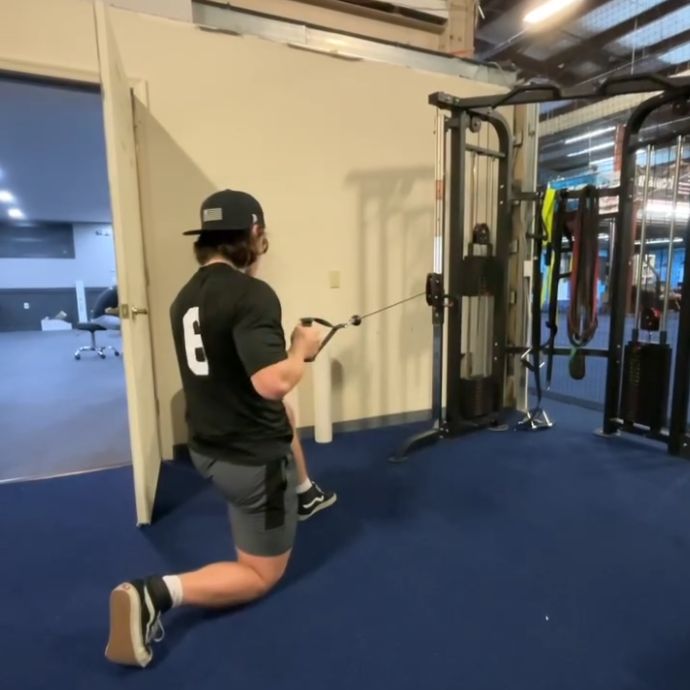
the work, in one place.
Most people get sent to a clinic for the pain and a gym for the training, and nobody compares notes. This is the other version.
We see anyone who needs physical therapy. Pain, a flare-up, post-surgery, a movement problem that is changing how you train or get through the day.
We find what is limited, treat it, and build the plan in the same room, so you are not discharged into a guess.
The work is built around athletes, and it is not limited to one sport. In-season care, return to play, first-time lifters, adults who still compete.
Hands-on treatment when the tissue needs it. A real test when we should stop guessing. Strength when you are ready to load.
You walk in with one problem. You leave with one plan, and it has to hold up after you walk out.
sports physical therapy
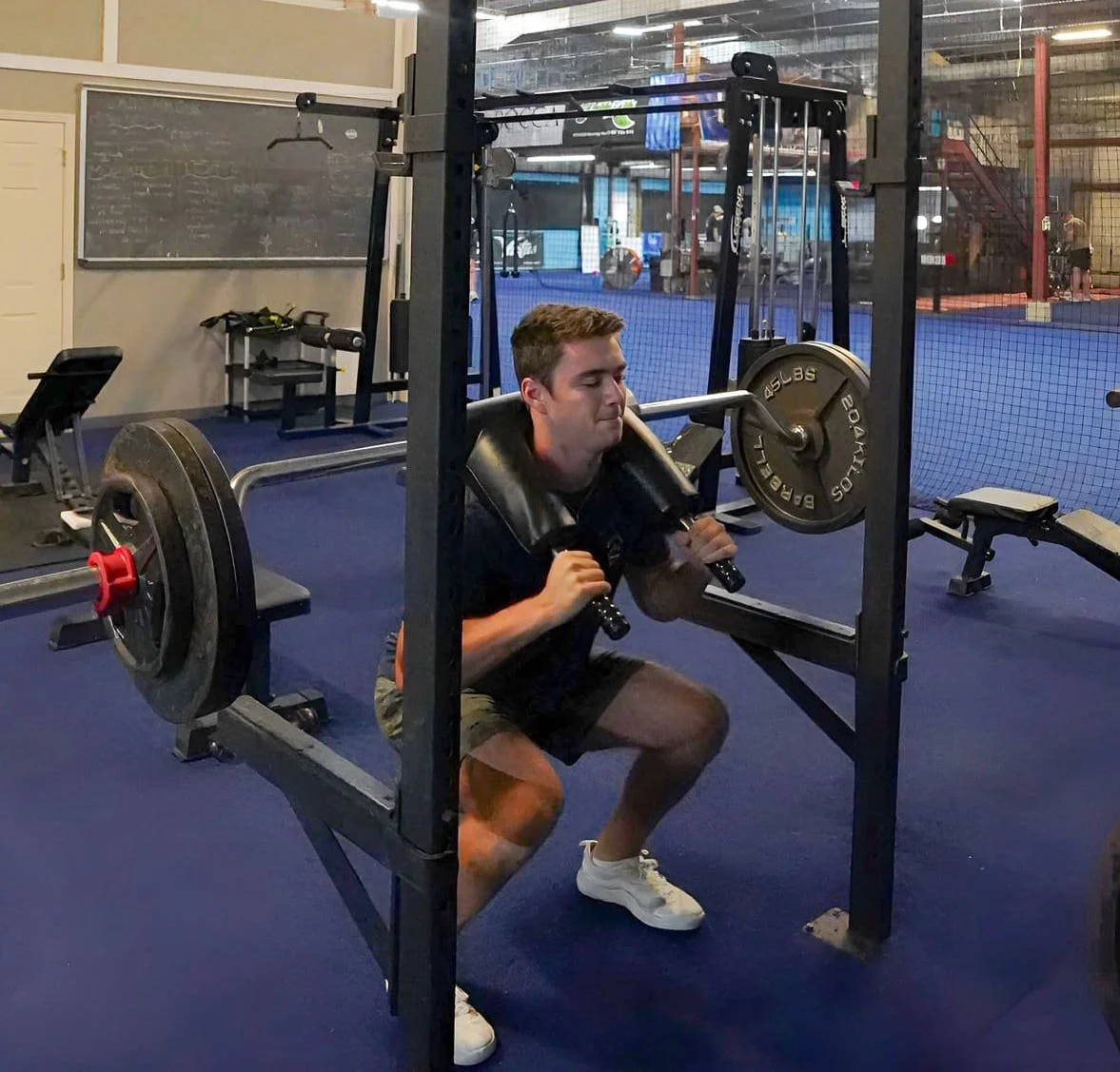
This is the clinical side of the room. If you are in pain, coming off a flare-up, post-surgery, or dealing with a movement problem that is starting to change how you play or train, this is where you start. The first job is not to hand you a sheet of exercises. The first job is to figure out what is actually limited — tissue, joint, control, workload, or some mix of all four — and how that limitation is showing up in the thing you are trying to do.
A visit here looks like a real evaluation: history, how you move, what your calendar looks like, what you have already tried. From there we use hands-on treatment, targeted exercise, and dry needling when it is the right tool, not because it is on a menu. The plan has to respect the season you are in. In-season care is different from an off-season rebuild. A high school athlete is different from an adult who still competes on weekends. You should leave knowing what to stop, what to start, and what the next two to four weeks are for. If all you wanted was heat, stim, and a hallway, this is the wrong place.
Tools & Techniques
We use these when they’re the right tool for the problem — not because they’re on a menu.
Dry Needling
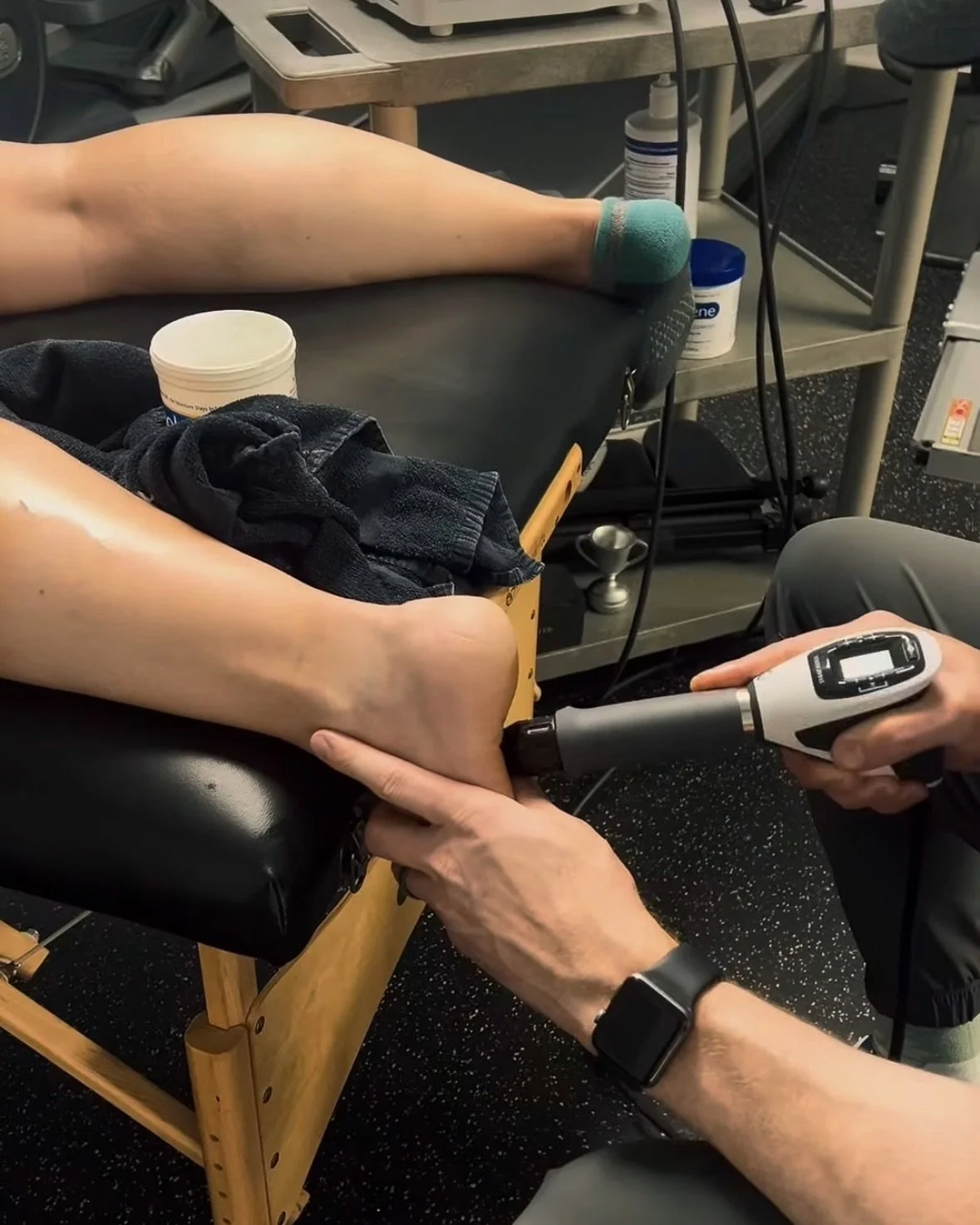
Shockwave
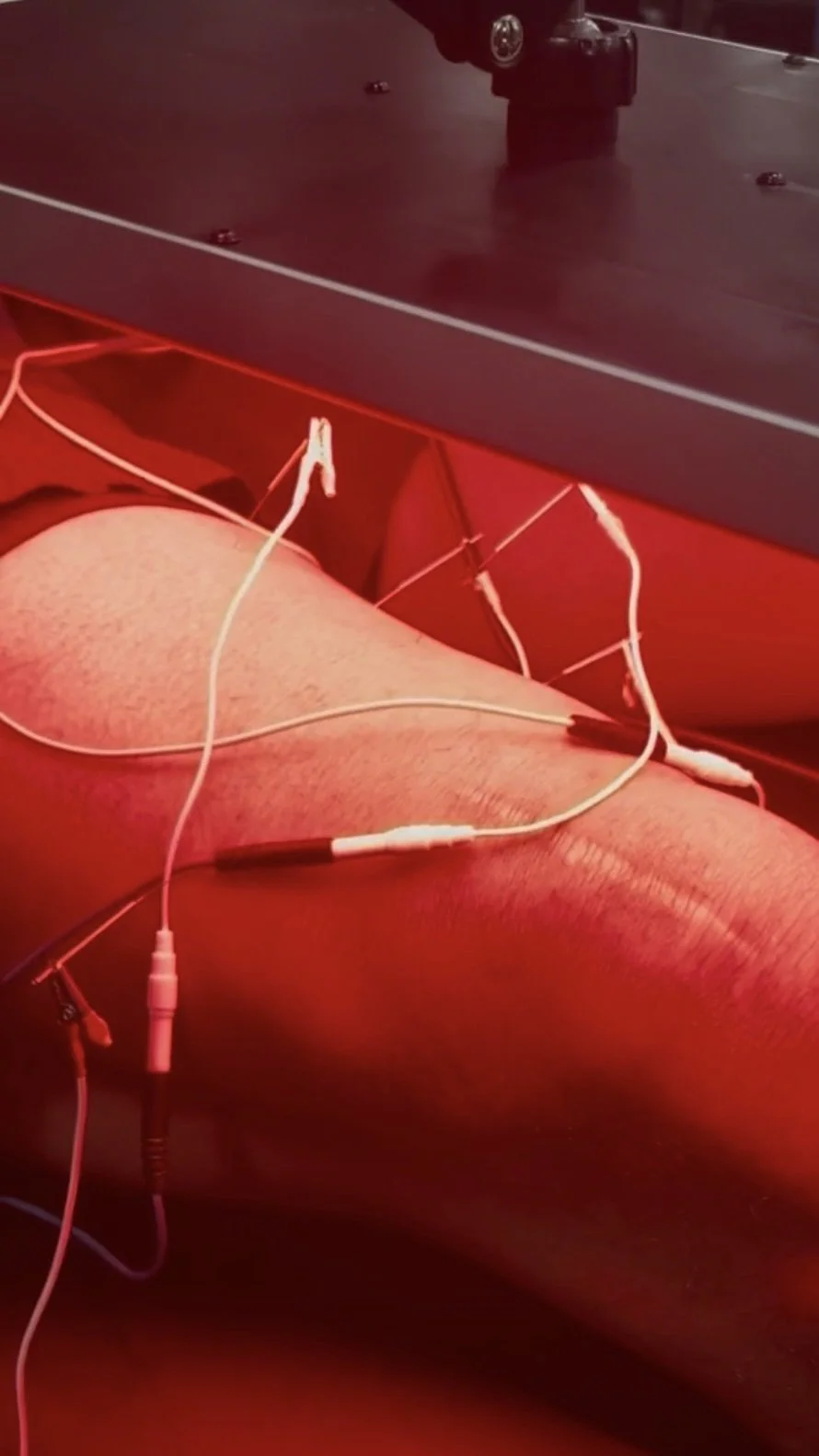
ArpNeuro / NerveOTX DC E-Stim
Blood Flow Restriction Therapy
IASTM (Instrument-Assisted Soft Tissue Mobilization)
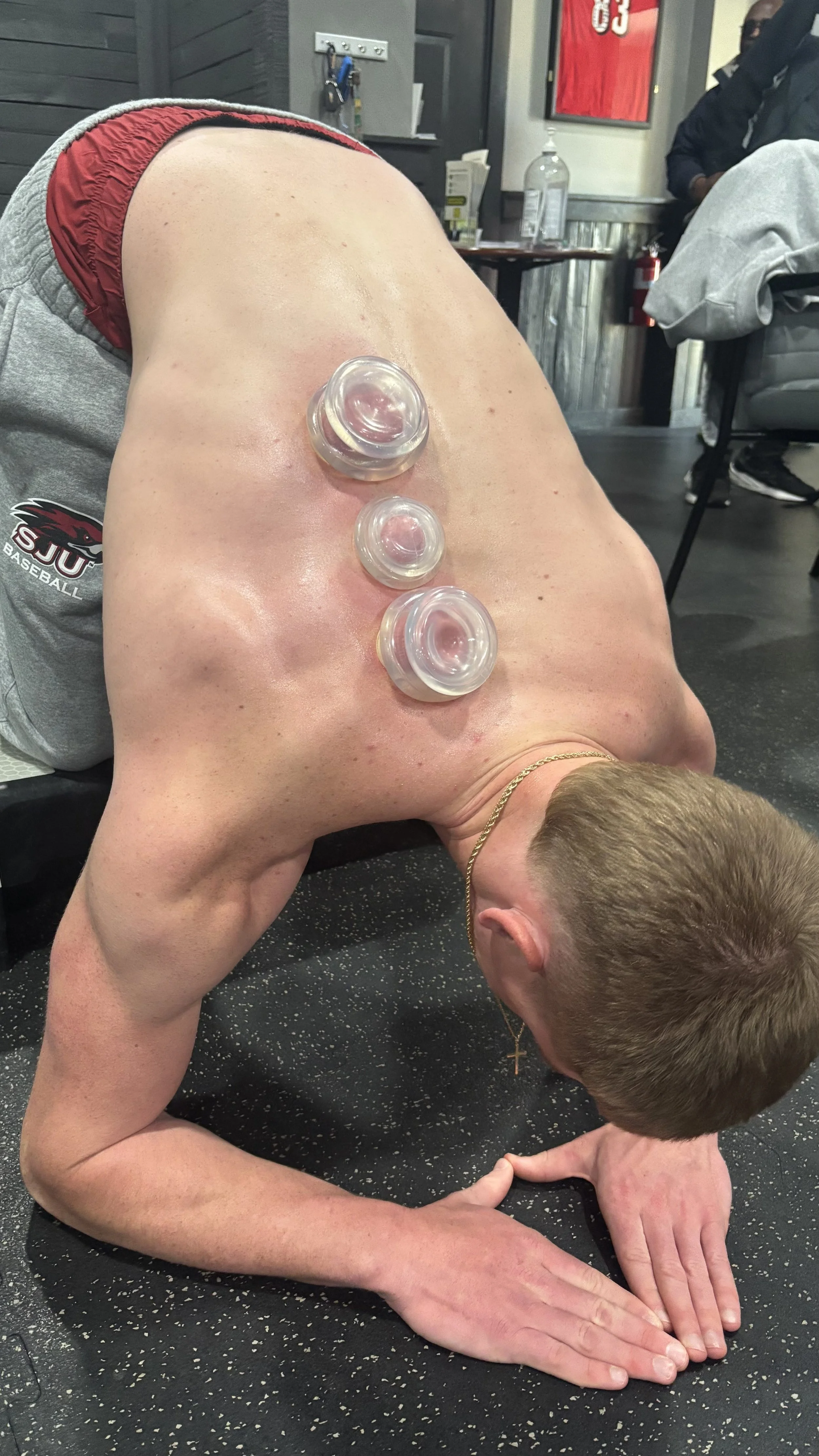
Cupping
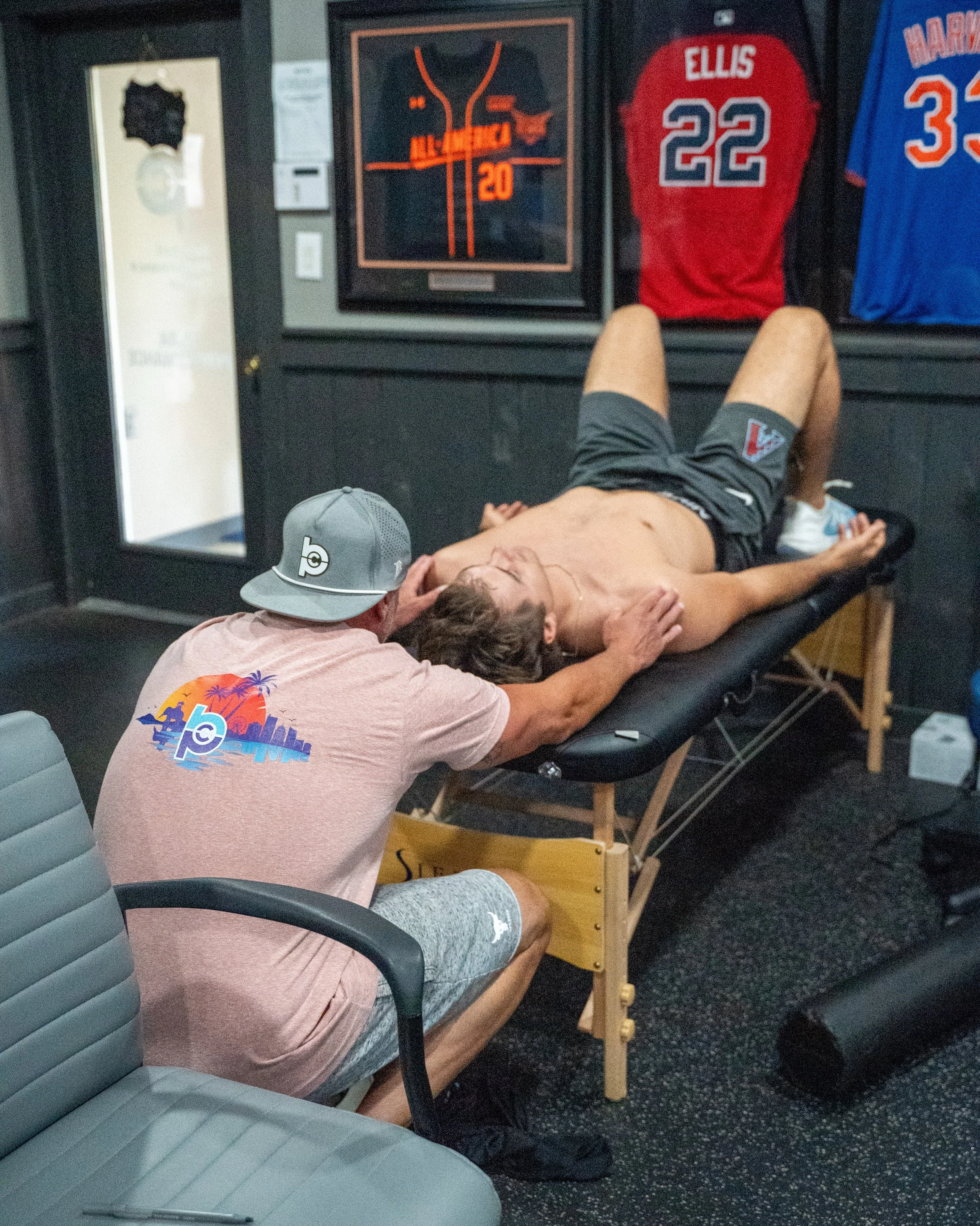
Myofascial Release
Kinesiotaping
Concussion Rehab
ACL Prevention Rehab
Movement Quality Assessments
Neuromuscular E-Stim
Red Light Therapy
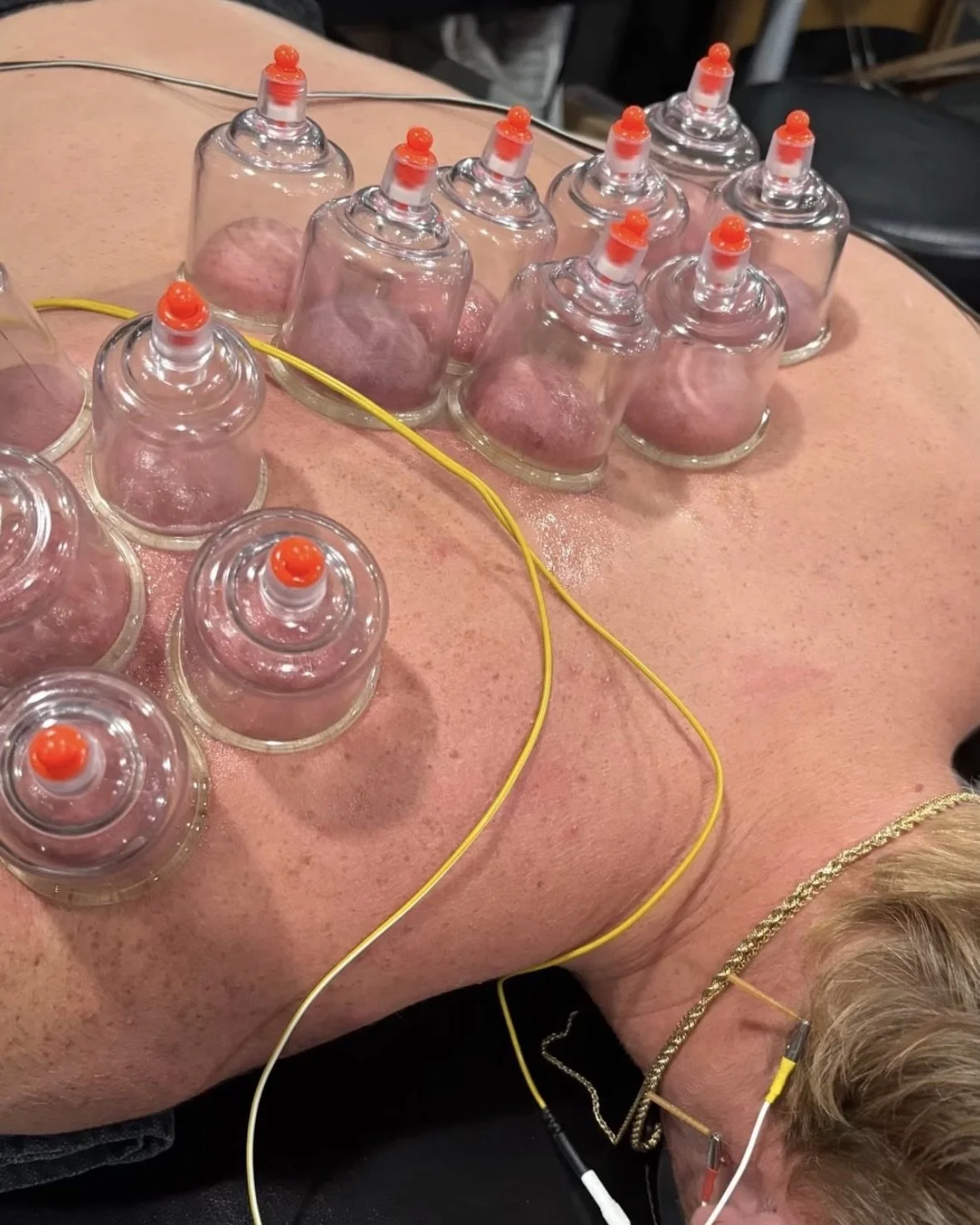
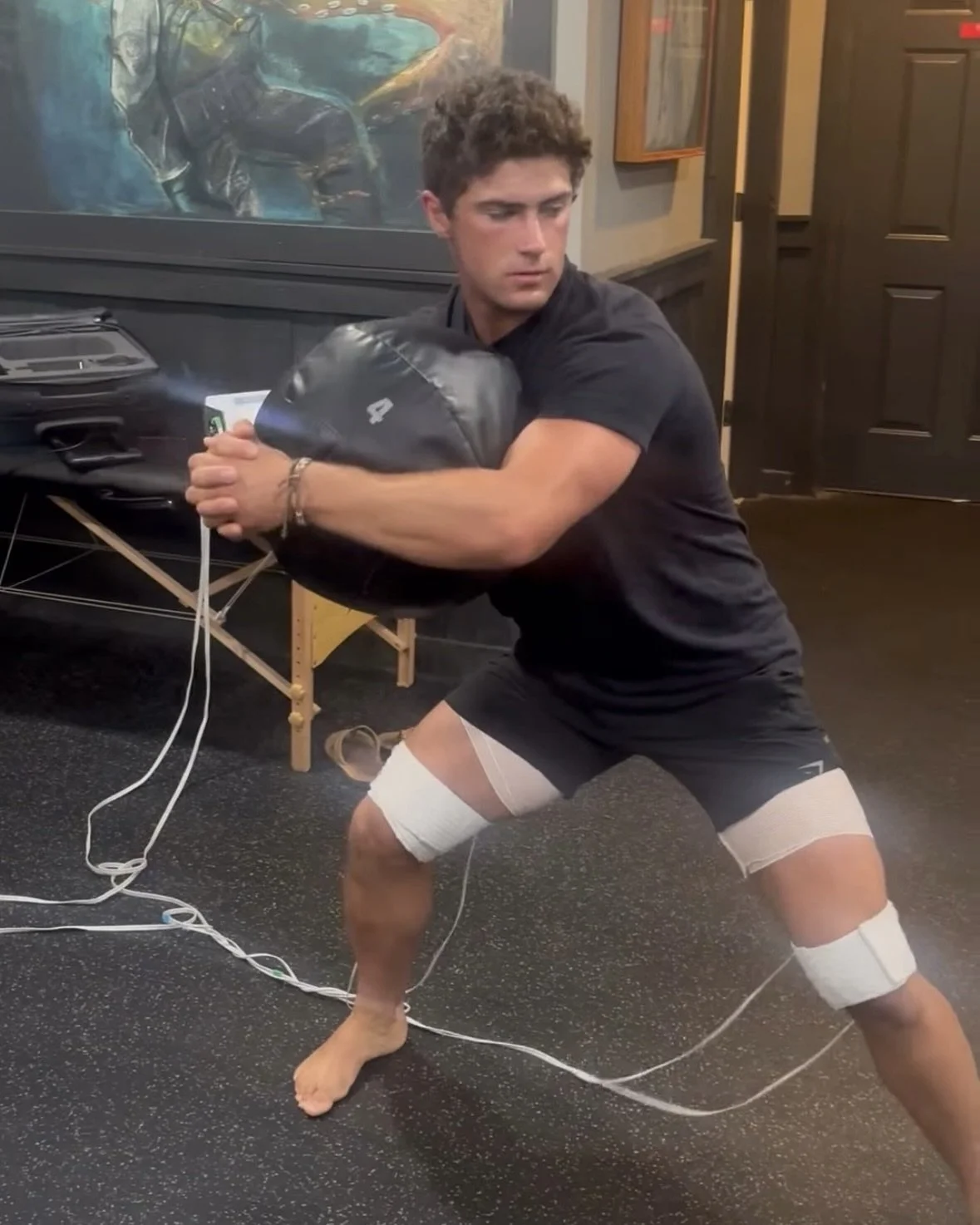
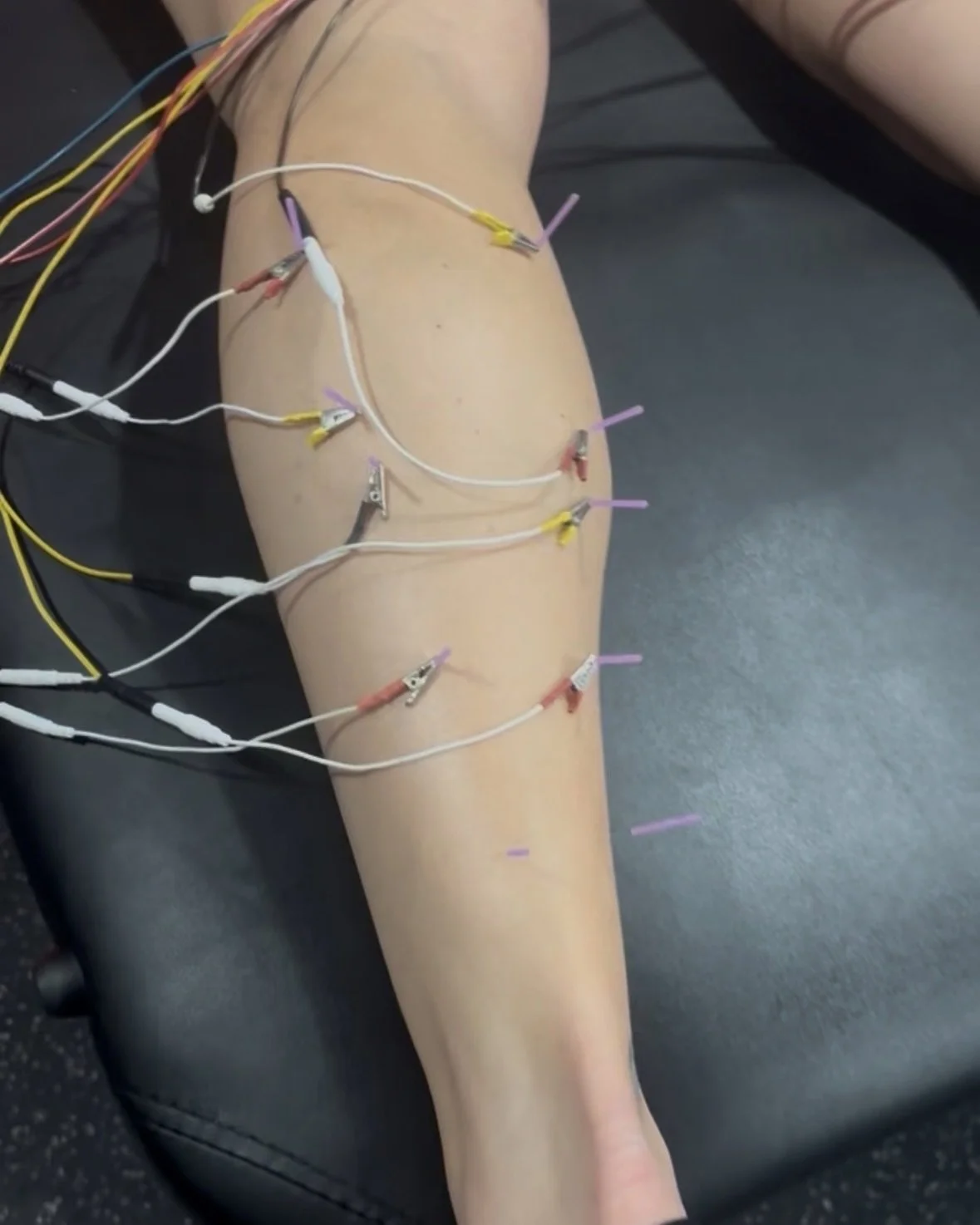
Geared toward athletes who want a weekly 2-day, 3-day, or 4-day plan that was actually written for them.
Programming is built around training history, injury history, sport, age, and goals. Not a poster on the wall. Individualized here is not a slogan. A plan that ignores last year’s injury is just a faster way back to it. A plan that treats in-season like off-season is how people grind themselves into the ground in week six. We write around those realities: what you can recover from, what your practices already tax, and what still needs to get stronger without picking a fight with the calendar.
Coaching happens in the room, because the plan is only as good as how it gets done. Done means tempo, range, and knowing when to back off instead of grinding through a bad day so the spreadsheet stays pretty. If something still needs treatment while you are training, that does not get ignored so the block looks clean. It gets handled here.
Strength work should make you harder to break. If it is just making you tired, it is the wrong work.
Strength & Conditioning
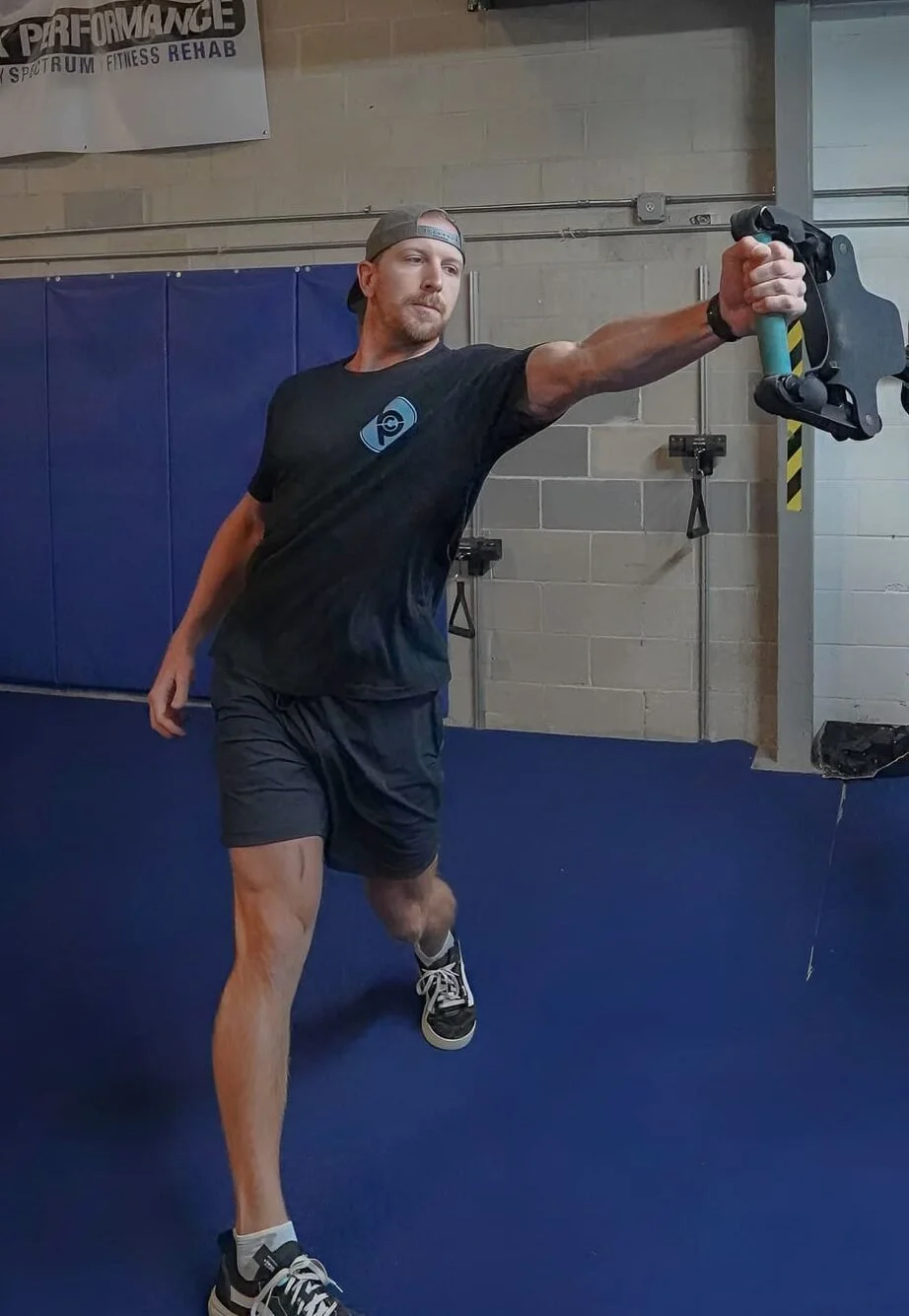
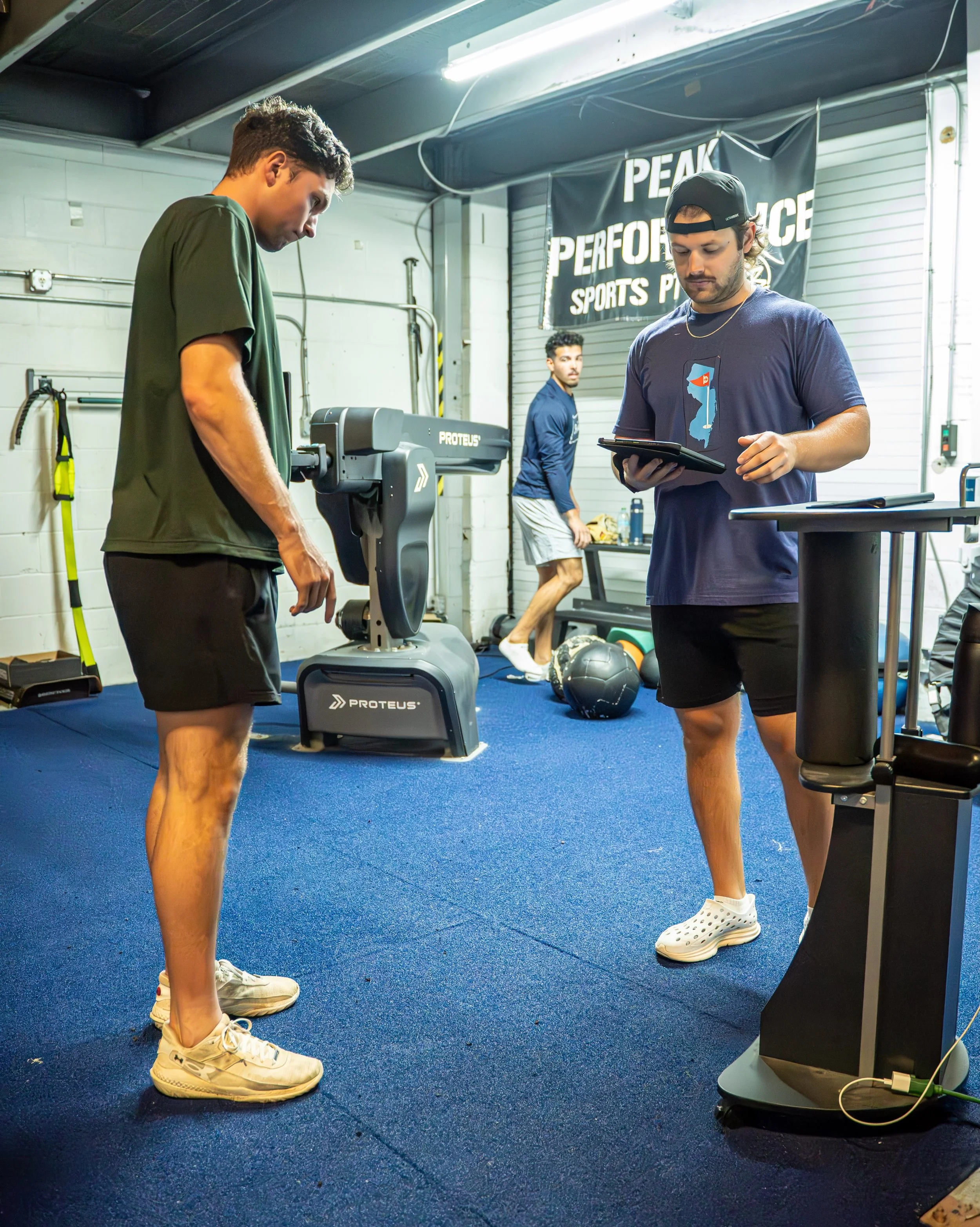
The Proteus is a 3D resistance system that gives us a real read on how you produce force across multiple planes—not a guess from watching two reps. One test can show whether you are speed-dominant, power-dominant, more of a control or balance athlete, or none of those yet. That tells us where you are deficient and where programming should go first. A lot of athletes are working hard on the wrong thing. They stretch what is already loose, load what is already angry, or add speed on top of a pattern that cannot hold it. Proteus is how we stop stacking another block of random work on a limiter we never measured.
Force plates give us the ground-side counterpart. They measure how you produce and absorb force under your feet during jumps, landings, and balance tasks—rate of force development, peak power, left-right asymmetries, and how well you stabilize. What the eye misses, the plates catch. Together, the two systems show us the full picture of how you generate force in the air and how you manage it when it hits the ground.
You do not have to be hurt to do this. Some of the best evaluations we do are for people who feel fine and want a baseline before the next training block. This is not a workout and it is not a sales pitch with a printout at the end. You move, we measure, and you leave with priorities: what to train, what to leave alone, and what actually needs treatment. If a program or a plan of care follows, it is because the tests told us to.
Both versions stay consistent with the existing voice—direct, measurement-focused, and clear that this is useful for healthy athletes as well as those coming back from something. The longer one folds force plates in as the natural complement rather than bolting on a separate section.
Proteus evaluations & force plate assessments
Built for the gap between injury and actually being ready to play.
Cleared is a medical sentence. Ready is a training problem. You had the injury, you did the early rehab, somebody signed off, and now practice looks faster and uglier than anything you did in the clinic. That drop-off is where people get hurt again.
Bridge starts with individualized physical therapy for injured and post-surgical athletes. We keep treating what still needs treatment. Then it hands you into a sport-specific strength plan in the same room, so there is no drop-off when the clinic phase ends. Progressions are tied to what you actually have to do next. Cutting, landing, accelerating, repeating effort, surviving a full week. Not a generic phase sheet.
The goal is not to get you back. The goal is to send you back stronger than you left. If you are hoping to skip the unglamorous work and jump straight to full volume because you were cleared on paper, this will feel slow. That slowness is the point.
Bridge Program
Camps and coaching for first-time lifters and young athletes who need to learn how to train before they learn how to load.
A lot of kids get thrown into performance rooms that are really just adult programs with lighter plates. That is how you get ugly patterns, loud joints, and a 14-year-old who thinks heavier is the same thing as better. Under a strength coach, they get the foundations: squat, hinge, push, pull, brace, land. And a standard for what good looks like.
There is a coach in the room. This is not a pack of kids left on machines while somebody watches from a desk. Strength here is supposed to serve the next few years of sport, not this month’s group chat about who lifted what.
Parents should leave knowing whether their athlete is actually ready to lift, what good looks like, and what we are not going to do yet. The athlete should leave knowing the standard. When the patterns are honest, there is a clean handoff into regular strength and conditioning. Until then, we build them instead of using them up.
Youth Training